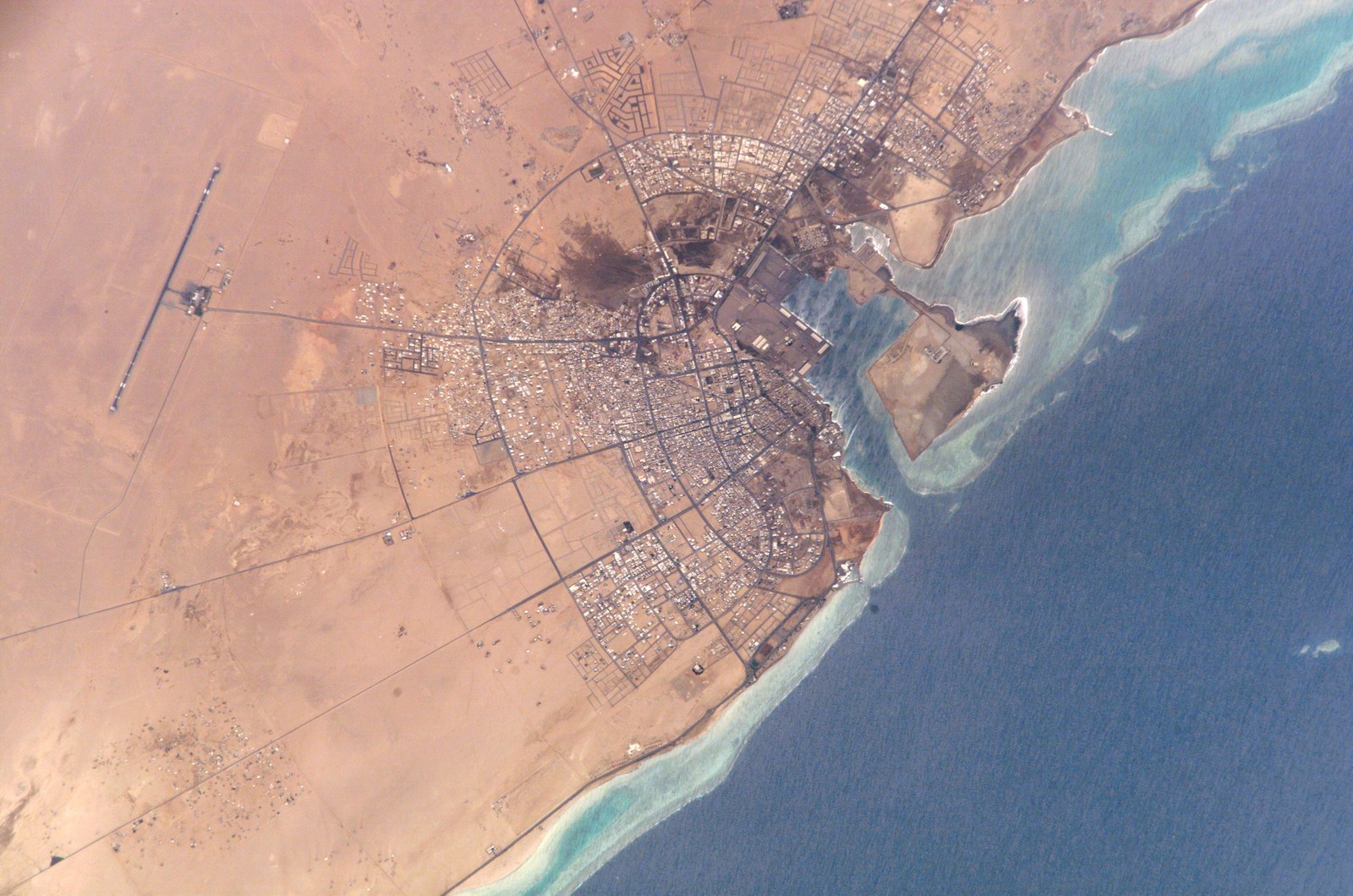
Saudi Arabia is preparing an offensive against the Houthis involving Yemeni ground forces and Saudi air support, Reuters reported on October 2, citing six sources. Depending on its scale, the operation could mobilise more than 100,000 Yemeni fighters. The preparations concern access to Bab al-Mandab and Yemen’s Red Sea coast.
Officials described a coastal operation or attacks on several fronts, Reuters reported. Their estimates for a start ranged from within a week to after early November. Saudi, Yemeni and Houthi representatives did not immediately comment.
The reported preparations follow the defensive coordination described in PUNT NEWS’s September 25 account. That report concerned Saudi, Turkish and Pakistani military consultations and France’s separate plan to protect Yanbu. Those arrangements addressed support, warning and the defence of infrastructure. A ground offensive in Yemen would introduce another task, with different forces and responsibilities.
Different commitments around the same corridor
Reuters also reported Pakistani equipment deliveries to Aden and advisers working with Saudi counterparts. Pakistan had made no decision to send combat troops into Yemen, a Pakistani official said. France’s announced deployment remains focused on defending Yanbu.
The earlier PUNT NEWS report recorded military consultations under the Saudi-Türkiye-Pakistan defence arrangement. It also distinguished that framework from France’s announced protection of Yanbu. Keeping the French deployment separate remains important as the story develops. The two arrangements can affect the same Saudi infrastructure and maritime environment while proceeding through different political decisions and chains of command.
Yanbu explains why protection of an installation becomes part of a wider shipping story. The port is on Saudi Arabia’s Red Sea coast and is connected to the kingdom’s east-west energy infrastructure. That route provides an outlet on the western side of the Arabian Peninsula. Protecting the outlet and maintaining access along the sea are related tasks, although securing a facility does not automatically secure every stage of a voyage.
A ship leaving a protected terminal must still travel through the surrounding maritime system. Its route can bring it toward Bab al-Mandab, the Gulf of Aden and the Indian Ocean. The operational question for the carrier therefore extends from the port to the passage. A military deployment around one installation addresses a specific vulnerability within that longer chain, rather than determining the safety of the entire route.
Shipping protection and operations ashore
Bab al-Mandab links the Red Sea and Gulf of Aden. Together with the Suez Canal, it forms part of the maritime connection between the Mediterranean and Indian Ocean. The corridor’s value lies in that connection. Changes in security around its southern entrance can affect a journey that begins far from Yemen or Saudi Arabia, which is why governments and shipowners approach the same geography with different responsibilities.
The EU’s ASPIDES operation has a defensive mandate centred on protecting navigation. Its role is distinct from a campaign against positions on land. That separation is essential when several military activities appear together in accounts of the Red Sea crisis. Merchant-vessel protection and territorial operations should be identified by their actors and mandates rather than described as one undifferentiated intervention.
For commercial operators, the distinction becomes practical when planning a passage. Information about an escort, a warning or an area of fighting has to be matched to a particular voyage. A shipping company cannot infer the coverage of one mission from the presence of another. A change in military activity can therefore require renewed assessment even where a vessel’s destination and cargo remain the same.
The region’s coastal economies sit within this system. Djibouti faces the southern entrance to the Red Sea; Eritrea has a Red Sea coastline; Puntland lies along the Gulf of Aden. Their connection to the corridor is consequently geographical and commercial. The effects of altered shipping arrangements can reach ports and communities beyond the immediate location of a military deployment, while the scale of those effects depends on the activity concerned.
The civilian movement across the water
The conflict also drives movement in smaller vessels. At the October 2 UN Geneva briefing, WFP described worsening hunger and displacement in Yemen. The humanitarian pressure gives the maritime corridor another function: civilians seeking safety cross toward the Horn of Africa while commercial traffic and security missions continue to use the surrounding waters.
That overlap does not make the journeys equivalent. Merchant ships move cargo through managed commercial arrangements; families leaving conflict may arrive needing shelter, registration and medical support. Authorities on the receiving shore have to organise assistance irrespective of the timetable of military planning elsewhere. The shared geography connects the consequences of the conflict without reducing them to a single shipping statistic.
The latest reported preparations therefore add to a crisis already involving infrastructure protection, maritime escort and civilian displacement. Each element has its own institutions and operational requirements. The immediate development is the reported preparation of an offensive. Its consequences will depend on decisions and actions that follow, while the existing need to protect crews, maintain services and assist displaced people continues.