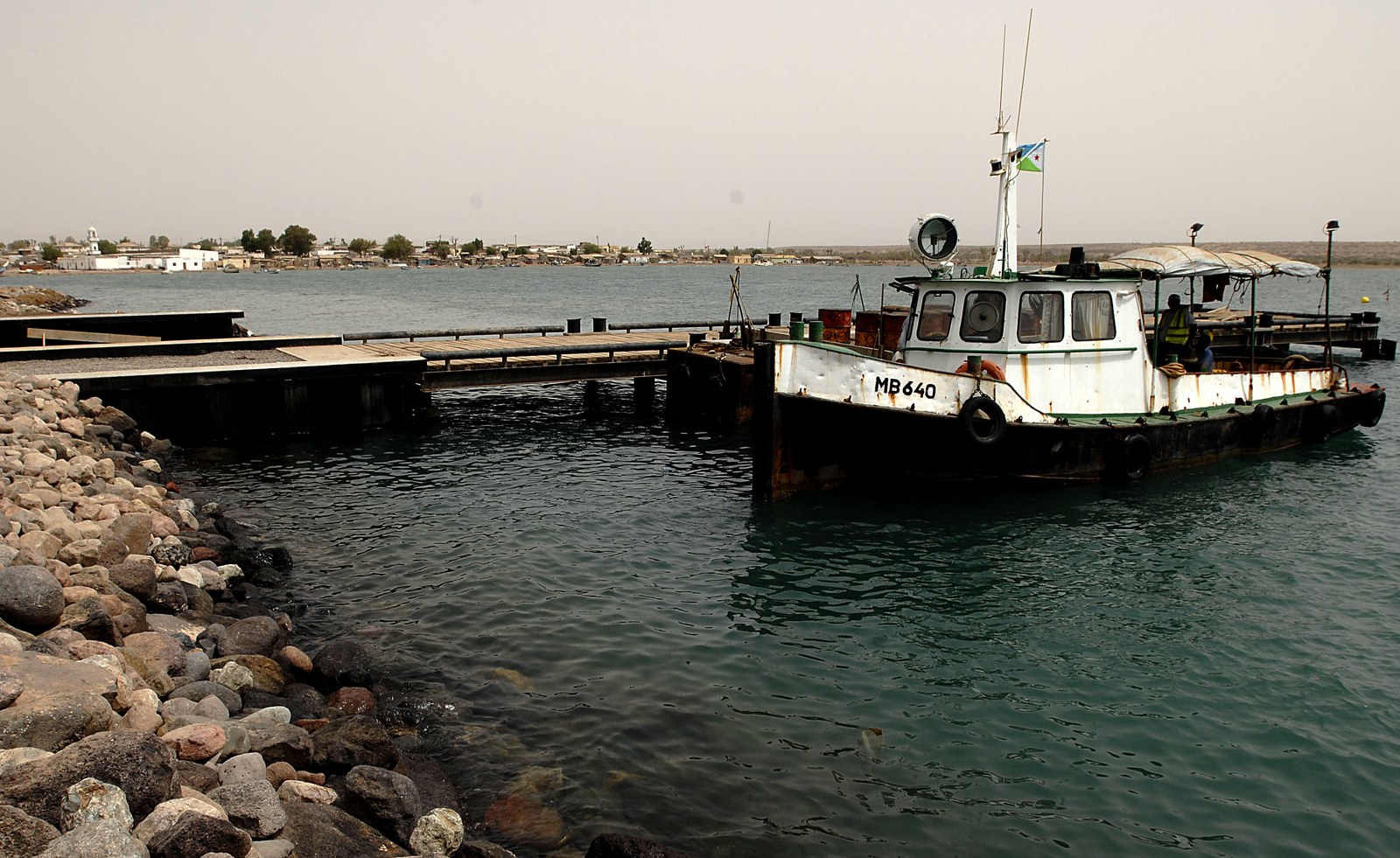

At least 139 migrants, including 15 children, died when a boat carrying 305 people capsized off Djibouti while travelling towards Yemen, the International Organisation for Migration said on October 11. Another 84 people remained missing and 82 survived. The disaster near Guhere, north of Obock, has left the authorities recovering bodies and providing care to survivors along a coast used by people moving between the Horn of Africa and the Arabian Peninsula.
Survivors told IOM the boat sank during the night of October 8–9. Alexandre Coissac, the agency’s chief in Djibouti, told Associated Press that the passengers boarded on the evening of October 8 and the vessel capsized shortly afterwards, close to shore. He attributed the sinking mainly to overcrowding. The later announcement followed the recovery of additional bodies, raising the reported deaths from an initial 109 to 139.
Authorities took survivors to IOM’s centre in Obock for medical and psychological care. Coissac described people in shock, some of whom knew relatives had died. Others used phones to tell families they were alive. He said the official count covered bodies buried by the authorities; some people buried by fellow migrants still awaited identification. The recovery effort therefore also involves restoring names to people whose families need to know what happened.
IOM and Djiboutian authorities are providing emergency assistance and temporary accommodation as search and recovery continue. The 84 people missing remain a separate part of the emergency, with families waiting for news. Survivors must recover from the crossing and the loss of companions while the authorities manage the practical work of finding, identifying and burying the dead. Those tasks extend the response well beyond bringing people ashore.
A route towards Yemen
The vessel was travelling eastward, towards Yemen. For many migrants from the Horn, that crossing is a stage on the way to employment in Saudi Arabia or other Gulf countries. The Eastern Route runs through Djibouti and Somalia before reaching Yemen and destinations farther north. IOM’s regional response plan describes a route where economic hopes bring people into contact with dangerous crossings, exploitation and long periods of stranding.
The route continues to attract travellers while Yemen’s war drives people in the opposite direction. Migrants seeking to pass through Yemen and Yemeni families leaving it may depend on assistance in the same coastal area. They arrive with different journeys behind them and different plans ahead. Obock’s location places it close to both movements, making reception, medical care and protection recurring demands on Djibouti and the agencies working there.
An October 6 IOM briefing described that workload before the shipwreck. From September 10 to the briefing date, the agency recorded more than 20,000 incoming migrant movements from Ethiopia and 539 Ethiopian migrants returning from Yemen. Coissac also reported more than 3,700 Yemeni refugees arriving during the preceding three weeks. He said IOM had seen no increase in movements from Ethiopia, although fear about the country’s situation accompanied the economic reasons for travel.
Between September 20 and 30, IOM observed more than 3,000 migrants stranded in Djibouti. Its account described dehydration, exhaustion, shortages of food and water, and exposure to exploitation and violence. Assistance included food, water and help with voluntary returns. Coissac said the increasing use of secondary routes made people harder to reach, and called for international support for the response and the communities hosting those who arrived.
Those pressures are described in PUNT NEWS’s report on Djibouti’s overlapping migration flows. The fatal voyage has now added a concentrated rescue and recovery emergency to that continuing work. Care for the survivors has to fit alongside assistance for people who remain stranded and reception for families crossing away from Yemen. The small country’s coastal institutions carry responsibilities extending across both shores.
Safety across the two shores
Conditions in Yemen remain part of the danger facing people who attempt the crossing. IOM’s October 7 report recorded 201,217 people displaced inside Yemen and warned that its response plan was only 20% funded. That earlier humanitarian account describes the shortage of support at a destination through which migrants continue to travel, even as other people leave it in search of safety.
IOM Director-General Amy Pope called for governments and donors to expand safe and legal pathways, warning against accepting repeated deaths at sea as normal. Her appeal addresses the choices available before a person boards a crowded vessel. Emergency care and recovery deal with what follows a disaster; safer routes and protection address the circumstances in which people begin the journey. Both form part of the agency’s regional response.
For the survivors in Obock, the next stage is immediate and personal: treatment, somewhere to stay and contact with relatives. For families of those missing, it is information from the continuing search. The shipwreck has turned a short distance from shore into a lasting separation for many households. Djibouti’s response now has to bring care to the living and names to the dead while the wider movement through the corridor continues.