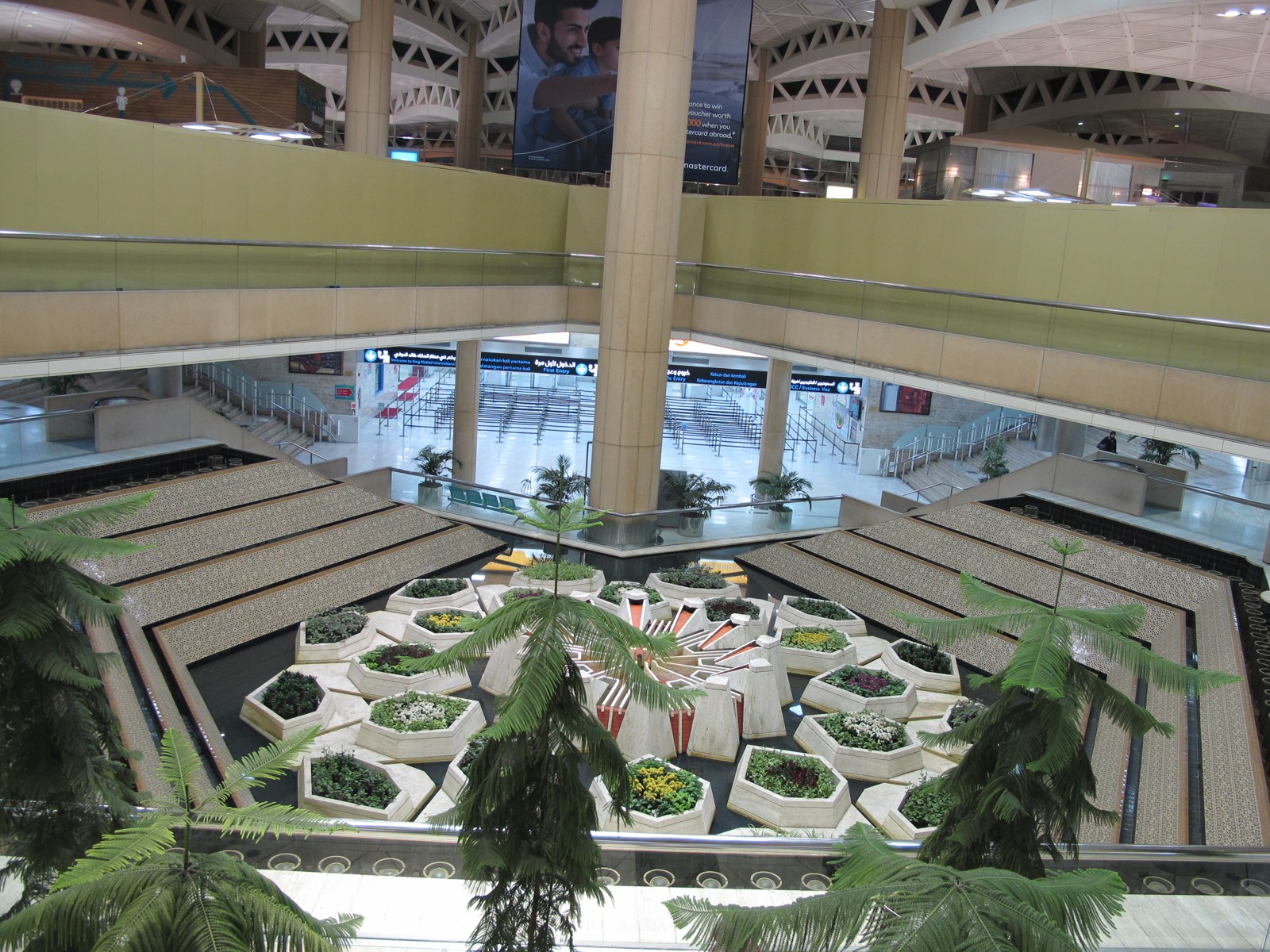

Saudi civil defence issued an all-clear on November 2 after alerts in Khamis Mushait, Abha, Taif and Najran. The Saudi-led coalition said it had intercepted a Houthi ballistic missile over the kingdom's southern region, Reuters reported. The interception remains the coalition's account. The sequence adds a new missile warning to the drone-interception announcements and Houthi denial reported on October 30–31.
The Saudi-led coalition announced drone interceptions over Saudi Arabia on October 30 and early October 31, including claims involving the Mecca and Eastern regions. In a Reuters report of October 30, Houthi spokesman Yahya Saree denied that his group had mounted a military operation on Saudi territory that Friday. The interception statements remain attributed military accounts. The denial applies to the specific claimed operation. Neither establishes that every earlier Houthi attack claim was accurate.
The Houthis said on October 26 that they had attacked Saudi oil-pumping stations and Riyadh airport. Saudi authorities had not confirmed the claimed hits in Reuters’ account. The coalition separately reported intercepting a missile directed towards Riyadh.
The coalition also announced strikes on Houthi missile facilities in Yemen, AP reported. Its account of destroyed weapons infrastructure remains a military claim. The latest exchanges followed the earlier disruption of Saudi airports, energy installations and Aramco’s headquarters.
Saudi, Pakistani and Turkish officials met Iranian leaders in Tehran on October 26 for de-escalation talks, Reuters reported. The diplomatic initiative is distinct from the military operations and the separate Egyptian authorization described below.
Saudi Aramco told staff to leave its Dhahran headquarters and work remotely on October 22, six people familiar with the matter told Reuters. The company did not immediately comment. The move followed an earlier attack on the headquarters and continuing threats to Saudi transport and energy infrastructure.
Saudi Arabia’s aviation authority said two people were killed and eight injured in the October 21 attack at King Fahd International Airport in Dammam. Operations had resumed normally by October 22, Reuters reported.
Two people were killed and two injured by debris from an intercepted drone at Saudi Arabia’s Shaybah oil field on October 21, the Energy Ministry said. The debris set fire to a contractor’s vehicle at the Aramco-operated site. The ministry said operations were unaffected, AP and Anadolu reported.
Riyadh’s King Khalid International Airport reopened for domestic flights on October 21 after repeated attacks and closures, AP reported. Saudia and FlyNas operated limited services, while international airline suspensions continued. The reopening restores part of the capital’s air links after the disruption described below.
Britain announced defensive RAF Typhoon missions on October 20, adding to France’s implementation of support at Yanbu announced on October 15. Egyptian President Abdel Fattah al-Sisi defined his proposed role on October 21 as defence of Saudi territory and borders. Egypt’s parliament approved the authorization on October 26; the decision itself does not establish that forces have deployed.
The October 10 strike killed 13 people and injured more than 300. Saudi authorities initially reported 12 deaths and 309 injuries; confirmation of an Indian national’s death raised the toll the following day. A further attack at Riyadh on October 11 killed one person and injured 11. Each attack added pressure to an airport that serves the capital’s residents, visitors and international business, as operators suspended flights and passengers faced disrupted journeys.
Saudi authorities also confirmed an attack at Dammam’s King Fahd International Airport on October 11. Qatar Airways suspended services to Riyadh and Dammam because of the current situation, Reuters reported on October 13. The disruption now extends to an eastern hub as well as the capital, placing several gateways within the airlines’ operational decisions. The Houthis have repeatedly claimed attacks and warned against using Saudi airports.
Airline suspensions announced earlier in the week carried different deadlines. Reuters reported on October 12 that Lufthansa had cancelled Riyadh flights through October 16, Air France-KLM through the end of the month and Etihad through October 19. Those announcements describe the schedules airlines adopted during the attacks.
Flights continued to cross parts of Saudi airspace and land at Jeddah on October 12, according to Flightradar24 observations reported by Reuters. The aviation analytics firm Cirium put cancellations across Saudi airports at 46.4%. The national disruption therefore reaches beyond one terminal, affecting the network through which passengers connect to onward journeys. A flight removed from the schedule can leave people needing a different route even where their destination remains open.
Warnings and the week’s attacks
Reuters reported on October 13 that four Riyadh airport attacks during the preceding week had killed at least 18 people and wounded more than 300. The agency said public attack alerts had stopped after September 29 and were absent before the airport strikes. Saudi civil defence issued new threat alerts for Riyadh and southern cities on October 12. The return of warnings places public communication alongside the effort to protect facilities and restore services.
Earlier attacks had already affected the kingdom’s airports. Saudi aviation authorities reported three deaths across Riyadh and Abha on October 7, then three Saudi nationals killed in two October 8 attacks at King Khalid. The October 10 and 11 Riyadh deaths followed those incidents. Reuters sources also described damage to a parked Saudia aircraft during the earlier attacks, with differing accounts of whether a projectile or shrapnel caused the fire.
Jazan and Najran airports had suffered attacks on October 5, injuring three people and causing limited damage, according to the aviation authority’s October 6 statement. As the attacks reached farther into the kingdom, the European Union Aviation Safety Agency revised its conflict-zone bulletin on October 9. It recommended avoiding specified portions of the Jeddah flight information region at all altitudes and exercising caution in the remainder.
EASA identified risks from missile and drone attacks, air-defence activity, mistaken identification of civilian aircraft and falling debris. Its guidance also calls for current risk assessments, contingency planning and attention to short-notice instructions. The danger extends to aircraft on the ground and during take-off and landing. Those operational stages tie an airspace assessment to the airport through which passengers and crews must pass.
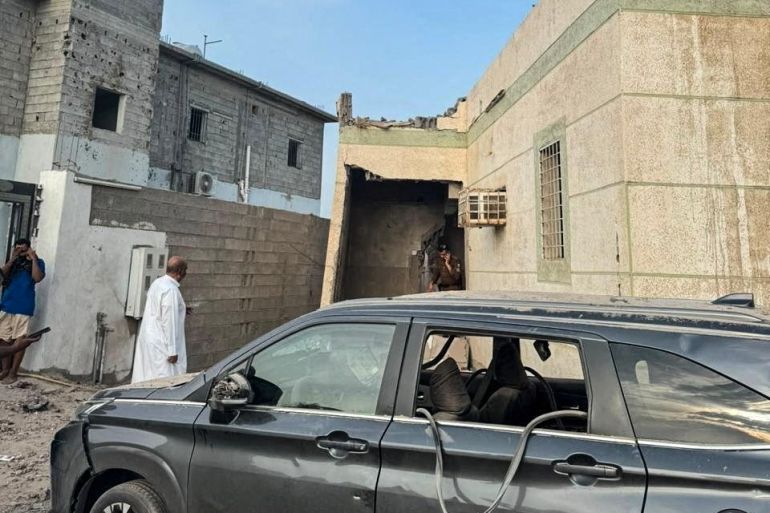
The conflict behind the disruption
The attacks accompany renewed fighting in Yemen. Reuters’ October 2 account described preparations for an offensive involving Yemeni ground forces and Saudi air support, citing six sources. Depending on the operation’s scale, those sources said it could mobilise more than 100,000 Yemeni fighters. The preparations concerned access to Bab al-Mandab and Yemen’s Red Sea coast, where fighting has consequences for both the land campaign and the maritime passage.
Later Reuters reporting verified footage of vehicles running over Houthi fighters, including unarmed men. The Giants Brigade announced an investigation, while the Houthis disputed government territorial gains around Bab al-Mandab. The war on land and the airport attacks have drawn different civilian settings into the confrontation. People using a terminal, displaced families seeking assistance and communities near the fighting encounter its consequences through different routes.
Military support has also proceeded through several arrangements. Reuters reported Pakistani equipment deliveries to Aden and advisers working with Saudi counterparts; a Pakistani official said no decision had been made to send combat troops into Yemen. France’s announced protection of Yanbu concerns the Saudi Red Sea port and its associated energy infrastructure. The earlier PUNT NEWS account follows those defensive consultations and the protection of installations.
Bab al-Mandab connects the Red Sea with the Gulf of Aden, bringing the conflict close to trade routes used by the Horn of Africa’s ports. Naval protection, including the EU’s defensive ASPIDES mission, addresses merchant-vessel passage. Airline suspensions affect another network of journeys around the same region. For Djibouti, Eritrea and Puntland, the shared geography links sea access and regional movement to decisions taken beyond their own coasts.
The fatal migrant shipwreck off Obock has added a separate humanitarian emergency along the corridor. IOM reported 139 deaths after a boat travelling towards Yemen capsized during the night of October 8–9. Migration agencies and coastal authorities are providing care and conducting recovery, while airlines decide which routes they can operate and naval missions continue protecting shipping.
The latest exchanges leave governments pursuing protection of infrastructure alongside diplomacy. For airlines, energy operators and coastal authorities, the practical decisions concern which services can continue and what protection they require. The outcome of the Tehran talks and the implementation of Egypt’s authorization will determine whether the diplomatic and defensive measures alter that operating environment.