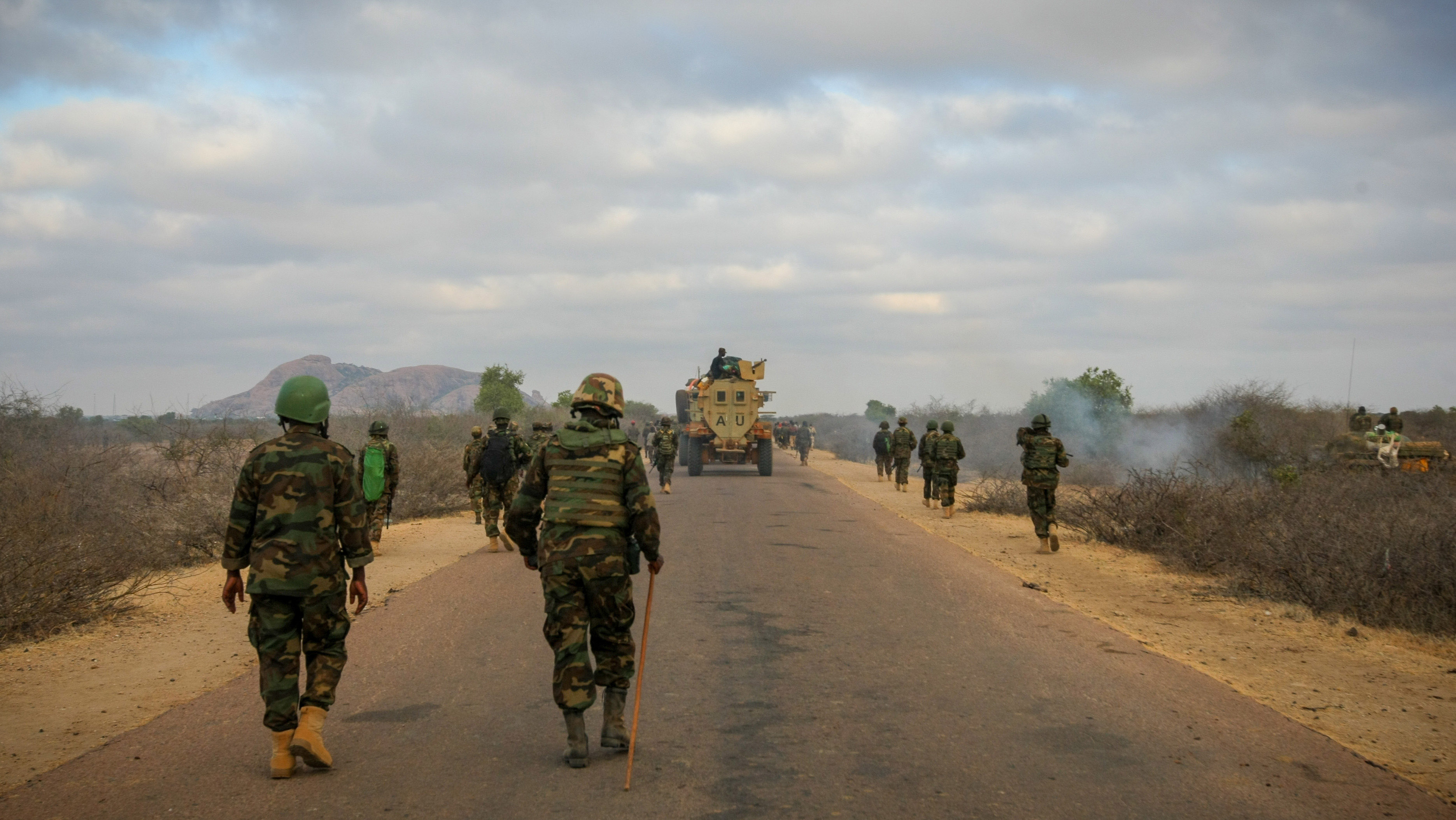

Former South West leader Abdiaziz Hassan Mohamed Laftagareen called on President Hassan Sheikh Mohamud to step aside in an October 20 letter, deepening a confrontation that has already produced reported changes of control across Bay. His appeal follows AFP’s account of forces loyal to him entering five towns around the region’s political centre, Baidoa. The regional administration has said it intends to recover the districts.
Laftagareen asked international partners and Somali opposition groups to intervene, according to Horseed and People Daily. He demanded the withdrawal of Mogadishu government troops and an inclusive electoral agreement, accusing the president of using military power to weaken regional leadership. The letter carries the dispute from district advances into renewed demands over the national political settlement and the authority directing it.
The territorial account developed over several days. Regional outlets reported his supporters entering Buurhakaba on October 15 and Bardaale on October 16. AFP’s report, carried by Hiiraan on October 18, quoted military officials on Saturday naming Bardaale, Dinsoor, Buurhakaba, Qansaxdheere and Awdiinle as towns taken by his forces. Awdiinle lies about 30 kilometres from Baidoa, placing the reported advances close to the seat of regional power.
South West Information Minister Nur Sidow Baba told a Baidoa press conference that districts held by Laftagareen’s forces would be brought back under government control. His statement acknowledges the challenge facing the administration while committing it to reverse the advances. Laftagareen, in a separate statement, praised his supporters for recapturing four districts. The five named places and his four-district description concern different geographical descriptions within the same developing campaign.
Residents described entries that often met little resistance. Suleyman Nurow told AFP that armed Laftagareen-aligned Darawish forces arrived in Bardaale on motorcycles. He said local officials withdrew to a nearby African Union mission base and that Ethiopian soldiers remained inside. Adow Yusuf, a Dinsoor resident, described forces concentrating around towns surrounding Baidoa. AFP reported clashes during the Buurhakaba takeover, distinguishing that episode from the quieter entries elsewhere.
The earlier Bardaale reporting placed the town about 60 kilometres from Baidoa. Kaab TV said the forces previously stationed there withdrew before the entry and described the former district commissioner seeking refuge at an Ethiopian military base. The Somali Digest also reported the movement. Those accounts gave the first two-town picture; the later AFP reporting broadened the geographical scope while adding eyewitness descriptions and the regional administration’s response.
The political confrontation predates those advances. Mogadishu government troops removed Laftagareen’s administration from Baidoa in late March, following tensions over constitutional changes and regional elections. His supporters have since sought to restore his authority. For the administration backed by Mogadishu, the immediate issue is keeping control of district institutions and routes around Baidoa while defending the political arrangements established after his departure.
The Mogadishu government added a financial measure on October 13, listing Laftagareen and nine others under sanctions over alleged links to Al-Shabaab financing. Regional reporting described an order to freeze assets and prohibit transactions involving the named individuals. Laftagareen’s latest letter disputes the government’s conduct and calls for outside intervention. The sanctions decision and his response form part of the political contest; the allegations remain those of the actors making them.
Residents face that contest in an area already under serious humanitarian pressure. PUNT NEWS’s September food-security report described a conditional famine risk among displaced households in Baidoa if assistance failed, alongside an earlier improvement in Buurhakaba following rainfall and expanded aid. Access to surrounding roads and district markets therefore matters to households whose food supplies already depend on continuing deliveries and support.
The confrontation now reaches several approaches to Baidoa, linking district administration to the contest over the regional capital. Regional authorities have promised to retake the towns, while the ousted leader is demanding a change at the national level and the removal of the troops supporting his rivals. The military movements and the electoral argument reinforce the pressure on a settlement still contested by the actors expected to implement it.
Baidoa remains the reference point for that struggle. The administration’s promise to recover towns and Laftagareen’s demand for troop withdrawal point towards opposing next steps. For communities along the routes between those towns, security depends on how the rival authorities pursue their claims while residents continue travelling, trading and seeking assistance.