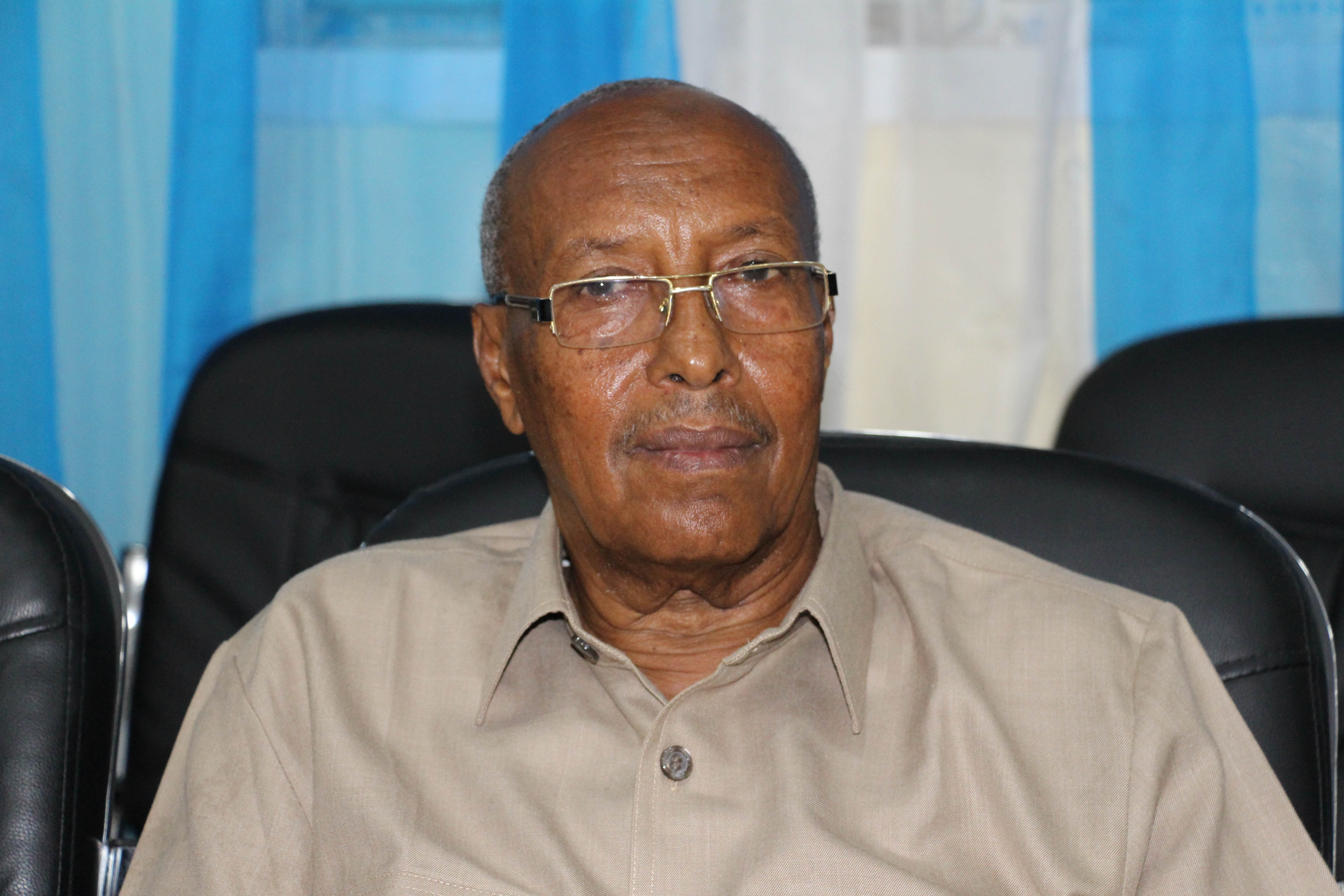

Somalia’s Supreme Court has asked the Mogadishu government’s legal office to answer a constitutional petition brought on behalf of former president Sharif Sheikh Ahmed, according to a court document reported by Horseed on October 20. The response is due at 2pm on Thursday, October 22. The order gives the continuing constitutional dispute a court deadline alongside the political argument over elections.
Horseed said lawyer Sakariye Ismail Nur submitted the petition for Sharif, with the application dated October 11. The court has requested the government’s response. The proceeding concerns the challenge itself, with a decision on the substance still ahead.
The Somali Future Council separately said on October 20 that it was ready for negotiations over an agreed electoral process and a workable timetable. The coalition, which includes Puntland, Jubaland and Mogadishu opposition figures, urged President Hassan Sheikh Mohamud to return to dialogue and warned of further constitutional and political steps if unilateral decisions continued.
The Mogadishu government has announced parliamentary elections for April 15, 2027, and a presidential election for May 15, drawing fresh opposition as former president Mohamed Abdullahi Mohamed Farmaajo and Puntland leaders pressed for a negotiated political settlement. The timetable announced on October 15 establishes dates for the Mogadishu government’s proposed process. Statements on October 17 show that agreement over the process itself remains the central dispute.
Farmaajo accused President Hassan Sheikh Mohamud of obstructing compromise, Goobjoog reported on October 17. He called for an electoral agreement. The Mogadishu government continued defending direct voting through political parties. Their rival positions concern who establishes the rules, how political participation is organised and whether a national vote can proceed with the acceptance of the principal opposition actors.
The Mogadishu government welcomed the timetable in an October 15 statement carried by SONNA. It described an extended period of consultation and said preparations could continue alongside negotiations, urging opposition politicians to participate in good faith. That position places the published calendar within the Mogadishu government’s effort to move toward direct elections while keeping political dialogue open.
Puntland’s vice-president, Ilyas Osman Lugatoor, linked the dispute to the wider federal relationship in remarks reported by Dawan on October 17. He said Puntland would continue working for Somali unity and a functioning national settlement, while warning that it would consider its future if those efforts failed. He accused the Mogadishu government’s leadership of departing from consensus and invoked earlier reconciliation efforts.
A timetable after the street confrontation
The announcement follows an immediate security confrontation in Mogadishu. On October 11, the National Intelligence and Security Agency accused men under former president Sharif Sheikh Ahmed’s command of attacking and obstructing its personnel. Sharif rejected the accusation and said Mogadishu government forces were targeting his staff and restricting movement around his residence. The competing accounts brought a national argument over elections into the streets around opposition compounds.
Former prime minister Hassan Ali Khaire urged dialogue during that confrontation. The Somali Future Council, bringing together Puntland, Jubaland and the Salvation Forum in Mogadishu, also called for an electoral agreement. Those interventions connected the conduct of security forces with the political negotiations. Leaders asking their opponents to trust an electoral process were simultaneously disputing the role of armed personnel in the capital.
PUNT NEWS’s analysis of Mogadishu’s armed standoff traces those rival accusations and the older relationship between political competition and armed force. The new calendar moves the argument into a further stage: there are now announced polling dates against which preparations and political decisions can be judged. The underlying disagreement about participation and authority continues around them.
That distinction matters for the sequence of events. The October 11–12 confrontation preceded the October 15 timetable. Farmaajo’s latest criticism and Puntland’s warning followed on October 17. They are responses within a continuing political dispute, alongside the Mogadishu government’s defence of the proposed voting system. Treating the dates as a completed political settlement would obscure the positions the actors are still advancing.
The federal relationship remains central
The argument had already widened before the latest announcement. In September, Farmaajo called for compromise, while opposition leaders sought UN mediation over the electoral dispute. The earlier appeal for mediation placed outside facilitation alongside demands for an agreement among Somali political actors. The October statements return to the same practical question: how the Mogadishu government’s preparations can acquire wider political consent.
Puntland’s involvement gives that question a federal dimension. Its leaders participate in a coalition that also includes Jubaland and Mogadishu opposition figures, while maintaining their own position on relations with the Mogadishu government. Lugatoor’s conditional warning adds pressure to those relations. His statement ties Puntland’s next choices to the outcome of efforts to reach a national understanding.
For the Mogadishu government, publishing a timetable creates a sequence around which institutions can organise electoral preparations. For the opposition, the immediate demand remains agreement on the framework under which those institutions act. The calendar and the negotiations therefore run together. Decisions about participation, administration and security will determine how the announced dates translate into a process that political actors are prepared to accept.
The next political stage is consequently the response to that calendar. The Mogadishu government is asking opponents to join its proposed route toward direct voting; Farmaajo is demanding compromise, and Puntland is pressing the case for consensus. April 15 and May 15 now give the dispute specific electoral destinations. Whether the principal actors can agree on the route remains the question facing Somalia’s leadership.