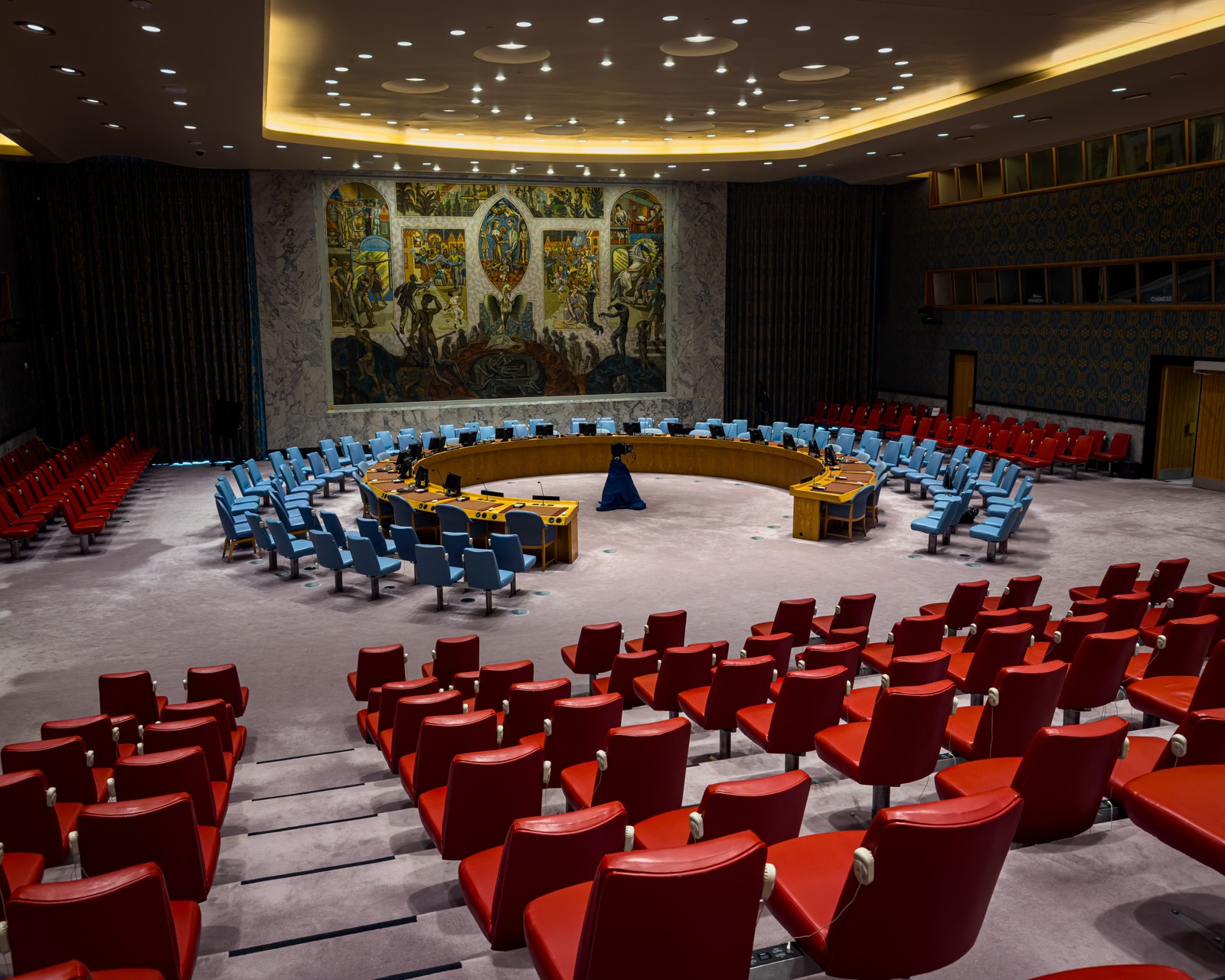

The UN Security Council unanimously extended the Darfur sanctions regime until December 11 on October 8, preserving the measures while allowing further time for negotiations. Resolution 2830 also extended the mandate of the panel of experts until January 11, 2027. The decision keeps an existing international mechanism in operation. Its practical significance turns on what states enforce and what the experts can establish about violations.
The renewal is a short technical rollover, following a one-month extension adopted in September. It does not introduce a new nationwide arms embargo on Sudan. The regime established under Resolution 1591 includes an arms embargo concerning Darfur, together with travel restrictions and asset freezes applying to designated individuals and entities. Those measures have different scopes: a restriction on arms supplied to a region differs from a financial restriction tied to a listed person or organisation.
The two deadlines also do different work. December 11 is the expiry date set for the sanctions measures in this renewal. January 11, 2027, is the separate date for the experts’ mandate. The panel supports scrutiny of implementation and alleged violations. Its continued work does not by itself extend the legal duration of the measures beyond the date the Council has specified, and neither deadline is a timetable for ending the fighting.
A regional embargo with specific obligations
The arms restrictions grew out of the Council’s response to the Darfur conflict. Measures adopted in 2004 concerned non-governmental entities and individuals operating in Darfur; the Council widened the embargo in 2005 to include the belligerents there. The regime’s history matters to its present scope. The October 8 decision preserves that Darfur focus, leaving the wider question of arms supplied elsewhere in Sudan beyond the geographic reach of this embargo.
The sanctions committee oversees implementation, considers exemptions and reviews information from member states and the panel of experts. It includes all 15 Security Council members and makes decisions by consensus. The panel provides investigation and analysis to support that work. The committee and experts form an oversight structure; border controls, financial measures and other enforcement actions depend on the obligations and conduct of states.
The arms embargo includes rules on weapons and related materiel, as well as relevant assistance. It also has defined exceptions. The committee’s guidance provides for certain monitoring and authorised peace-support activities, non-lethal equipment intended solely for humanitarian or protective use, and protective clothing temporarily taken into Sudan for personal use by specified personnel. These distinctions matter because the regime regulates military supplies while allowing defined protective and humanitarian purposes.
The same guidance requires prior committee approval for the Sudanese government to move military equipment and supplies into Darfur. That requirement is separate from standing exemptions. Renewing the regime preserves these procedures; it does not mean that any reported shipment is automatically authorised, or that every item used by a humanitarian organisation is prohibited. The legal category and destination of the goods determine the relevant obligation.
Travel restrictions and asset freezes work through designation rather than a blanket prohibition on ordinary civilian movement or economic activity. For those measures, the relevant question is whether the person or entity is subject to the regime and what a state must do as a result. An arms-embargo investigation, an individual designation and an exemption request are therefore distinct parts of the system. The renewal keeps that institutional framework available.
Renewal and enforcement
The Sudanese Alliance for Rights urged the Council to use the additional time to move beyond technical rollovers and take stronger action against arms flows. Its statement is an advocacy response to the renewal, rather than an account of a new restriction already adopted. The distinction leaves room to assess both developments: the Council agreed unanimously to preserve the current measures, while the alliance called for a more consequential response.
For civilians, institutional continuity and immediate protection operate on different timescales. A sanctions decision sets obligations and supports scrutiny of supply networks. Emergency treatment, food delivery and safe access require action where people are living and moving. WHO’s October 6 briefing described acute health pressures after a mission to Darfur and a large funding gap in its Sudan response. Preserving sanctions does not supply those missing resources.
The geographic distinction remains important when reading other attacks across Sudan. The October 9 strike reported in Abu Shandi, Blue Nile state, is a separate event outside Darfur. Its casualty and responsibility claims require their own verification. The Council’s decision on the previous day cannot be presented as a response to that later attack, even though both concern the wider war and the protection of civilians.
The renewal leaves December 11 as the next deadline for the measures and preserves expert scrutiny into January. What follows will depend on the Council’s next decision and on implementation during the interval. For now, the verified development is the continuation of the Darfur regime with its existing scope. Assessing its effect requires evidence about enforcement and arms flows, rather than treating the adoption of a resolution as proof that supplies have stopped.