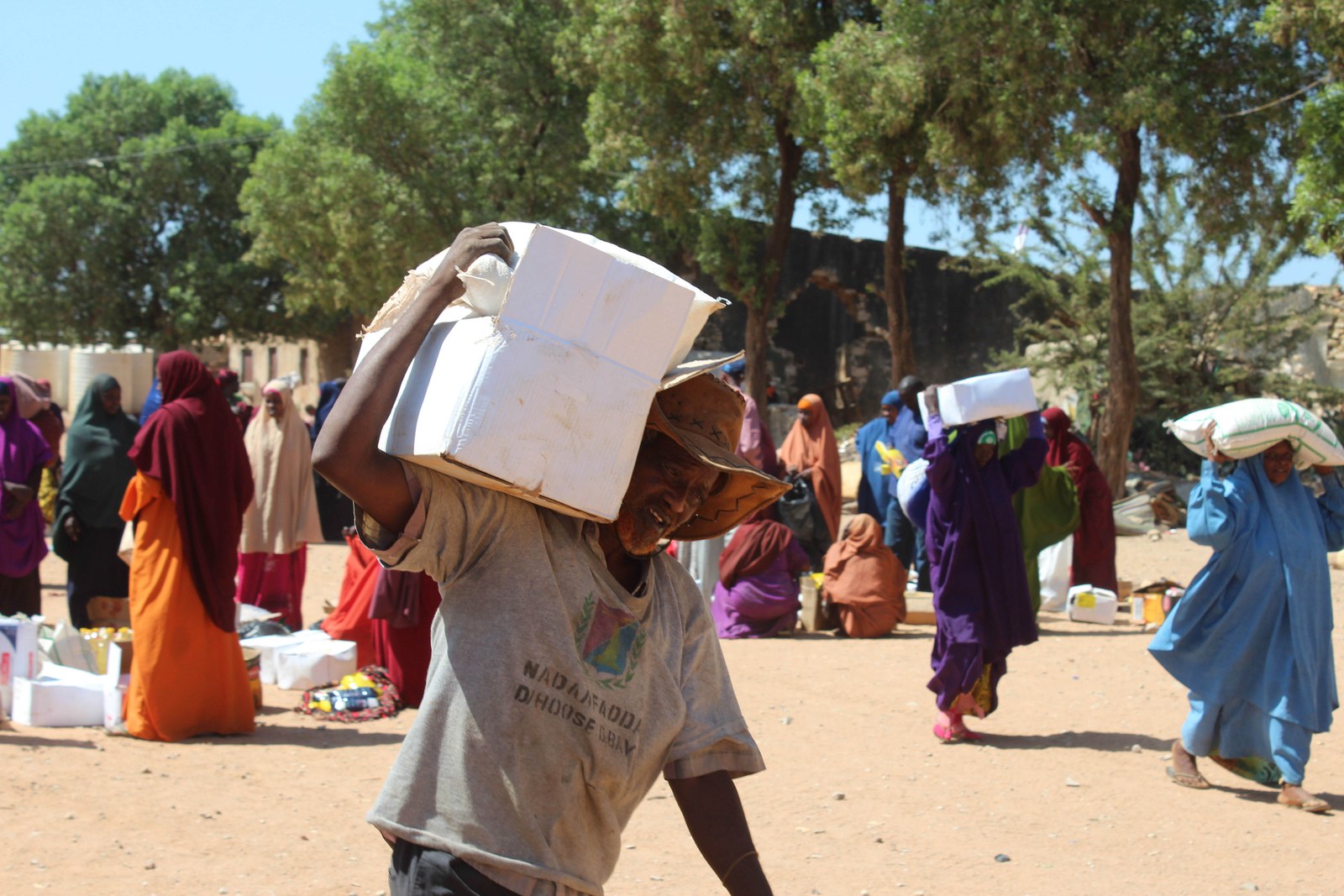
The United Nations announced a $160 million emergency allocation on October 2 for twelve underfunded humanitarian crises, including Somalia, Sudan, South Sudan and Chad. The Central Emergency Response Fund is providing the money as aid organisations confront funding shortages across several regions. The decision adds resources to existing operations rather than creating a separate national budget for the receiving governments. Source report
The UN’s announcement divides the allocation between country responses and disability inclusion. Of the total, $150 million supports operations in the twelve crises, with a further $10 million intended to improve access for people with disabilities. The UN Global Disability Fund will provide complementary funding and technical support. The arrangement links the financing decision to how assistance is designed and delivered to people who may otherwise struggle to use it.
The receiving countries span Africa, Asia, Latin America and the Middle East. Somalia and neighbouring crisis settings therefore enter a common allocation process alongside emergencies elsewhere. That framework matters because it directs flexible funding toward gaps in humanitarian response. Its purpose is to support urgent assistance where existing financing falls short, while individual operations still have to turn the allocation into services and supplies.
How emergency finance reaches a household
A funding announcement is the beginning of an operational chain. Agencies identify urgent activities, arrange staff and procurement, and work with partners responsible for delivery. Food, water, shelter and health interventions have different supply requirements. Money allocated to an emergency becomes useful to a household when those requirements are met in the place where people need assistance.
The distinction is particularly important where people are displaced. An agency may be able to buy supplies while transport remains difficult, or may have a delivery route while a local facility lacks staff. The problem cannot be measured solely through the total allocated. Timing, access and the capacity of the receiving institution determine whether the additional resources can sustain an existing service or extend assistance to more people.
The humanitarian financing mechanism is therefore separate from an ordinary transfer into a government’s public finances. It supports humanitarian work implemented through the UN and its partners. National and local authorities remain relevant to access, public services and coordination, while the funded operation carries its own responsibilities for delivery. The practical relationship is between the money, the activity it finances and the people that activity is intended to reach.
Why regional pressures interact
Somalia, Sudan, South Sudan and Chad face distinct emergencies. Their inclusion in one allocation does not make the causes or operational needs identical. A response to displacement across a border involves reception and protection arrangements; a programme assisting people within their own country may depend on different authorities and routes. The shared financing mechanism has to accommodate these differences when specific activities are selected.
PUNT NEWS’s October reporting on Djibouti’s reception of people fleeing Yemen illustrates another part of the regional picture. Assistance begins at arrival and continues through transport, registration, accommodation and access to services. A family’s needs can persist after the immediate crossing is over. Funding must therefore support a sequence of activities rather than a single moment of emergency reception.
In Chad, the newly published UNHCR population materials likewise place attention on where displaced people live and which systems receive them. People at a border, households in established settlements and communities hosting relatives can place different demands on the response. Planning benefits from linking the population record with the facilities and services that are expected to provide assistance.
Inclusion changes the work of delivery
The disability component makes accessibility part of the allocation itself. A distribution point can hold supplies while remaining difficult to reach or use. Information can be available without being accessible to everyone who needs it. These practical conditions affect whether nominal coverage becomes actual access for the intended recipients.
Addressing those conditions may involve the organisation of transport, the format of information, the physical arrangement of a service or assistance for someone unable to collect supplies independently. Which adjustment is appropriate depends on the activity and the people using it. The allocation’s dedicated component connects that question to planning rather than leaving it outside the main response.
Coordination continues to matter after funds are released. Agencies have to know where other organisations are operating and where responsibilities meet. A health service, water supply and shelter programme can assist the same household through different channels. Their interaction determines whether a family receives a workable set of services or encounters a gap between institutions.
The October 2 decision gives the receiving operations additional resources at a time of widespread shortages. Its consequences will appear in the continuity and reach of the activities financed: supplies delivered, services maintained and barriers to access addressed. For people facing an emergency, that is where an international funding announcement becomes a change in everyday conditions.