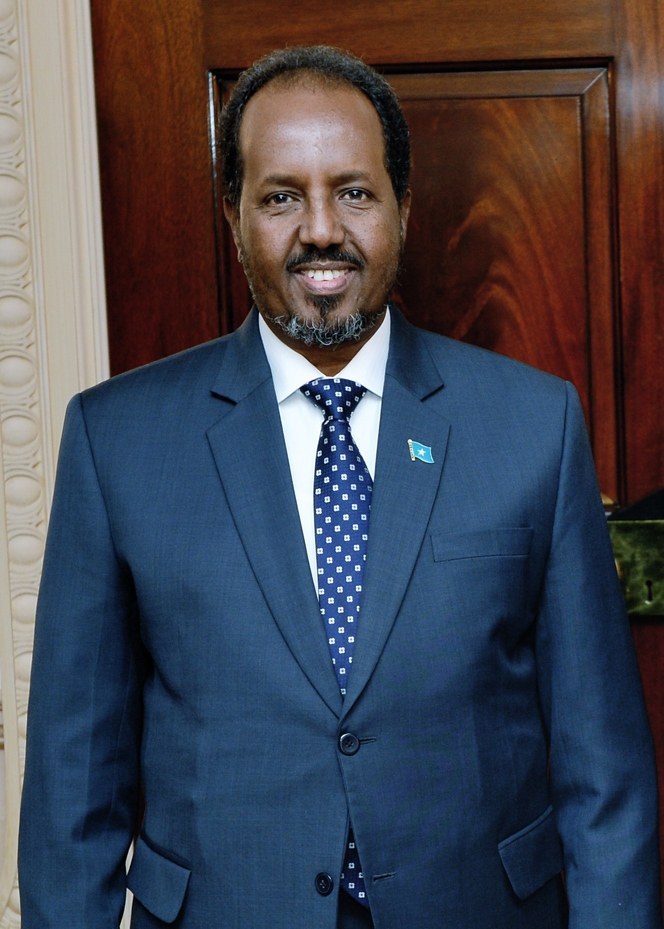

Somali President Hassan Sheikh Mohamud received the credentials of Türkiye’s Ferhat Alkan and the European Union’s László Máthé in Mogadishu on October 1. The ceremony formally introduced the new representatives to the Somali presidency while their institutions continued existing security, development and diplomatic programmes in the country. Source report
Somalia Today reported that the presidency discussed security, state-building, democratisation and development with the envoys. The ambassadors conveyed messages from their respective leaderships. The presentation of credentials establishes the representatives’ formal relationship with the receiving state; the substantive work follows through meetings, programmes and communication between the institutions they represent.
The two envoys arrive through different diplomatic structures. Alkan represents a national government and leads Türkiye’s embassy. Máthé represents the European Union and heads its delegation. Their portfolios can address some of the same Somali institutions while remaining governed by different authorities and funding arrangements. Understanding that distinction helps explain why their appointments can occur together without making their responsibilities interchangeable.
A Turkish diplomatic handover
The Turkish embassy’s official biography records that Alkan began duties in Somalia on September 21 after serving as ambassador to Mozambique. His diplomatic career began in 2001 and includes postings in Kabul, Washington and Beijing, together with service as consul general in Houston. The October credential ceremony follows that earlier arrival in Mogadishu.
A handover changes the person responsible for representation while an embassy’s work continues across the transition. Staff, existing agreements, consular responsibilities and relations with local institutions do not begin again with each appointment. The ambassador takes responsibility for carrying that work forward and communicating the sending government’s position through the established mission.
Alkan’s previous assignments place the Somali posting within a career that includes both bilateral embassies and central ministry work. The relevant institutional point is the movement between representing a government abroad and coordinating its policy at home. An ambassador works at that connection, conveying instructions outward and reporting the receiving country’s circumstances back to the capital.
The embassy’s public message describes cooperation in security, development and institutional capacity as continuing areas of engagement. These areas involve different Somali counterparts and different forms of work. Training, diplomatic dialogue and development assistance may belong to the same bilateral relationship while operating through separate programmes, agreements and implementing organisations.
Representation through an EU delegation
The EEAS nomination notice identifies Máthé as the incoming EU representative to Somalia. Somalia Today reported that he previously served as Hungary’s special envoy for the Sahel and ambassador to Kenya. His appointment places him within the EU’s delegation system, which connects local diplomatic representation to decision-making in Brussels and to cooperation with member states.
That structure creates several relationships to manage. The delegation works with Somali authorities, EU institutions and member-state representatives, while individual programmes involve their own implementing partners. Diplomatic coordination can bring these activities into a common discussion without replacing the authority under which each programme operates.
The distinction is visible in maritime and security cooperation. PUNT NEWS’s existing reporting describes EU civilian capacity-building and naval missions working in the wider region. Training a police unit, providing protection at sea and maintaining political dialogue are separate activities. They can support related objectives while remaining subject to different mandates and chains of responsibility.
For Somali institutions, the arrival of new envoys therefore means a change in interlocutors across relationships that already have practical content. Officials working on development, security or external relations need to maintain continuity while establishing working relationships with the new heads of mission. An appointment is a formal milestone within that continuing institutional exchange.
What follows the credential ceremony
The issues presented at the presidential meeting are broad. Their practical content emerges in subsequent exchanges about particular programmes and decisions. A discussion of institutional capacity can lead into questions about training, staff, equipment or administrative arrangements. Development cooperation requires agreement about financing and implementation. Diplomatic representation connects these subjects to the institutions authorised to act on them.
Continuity also depends on records and established responsibilities. Officials need to know which commitments are current, which activities are under way and which decisions remain outstanding. The handover between representatives is one part of that process. The organisations they lead retain obligations that extend beyond the tenure of any individual envoy.
The October 1 ceremony consequently marks a new stage in two continuing relationships. Somalia has received new representatives from Türkiye and the European Union, while both missions inherit established work and institutional links. The significance of the handover will be expressed through the concrete cooperation and decisions that follow the formal presentation of credentials.