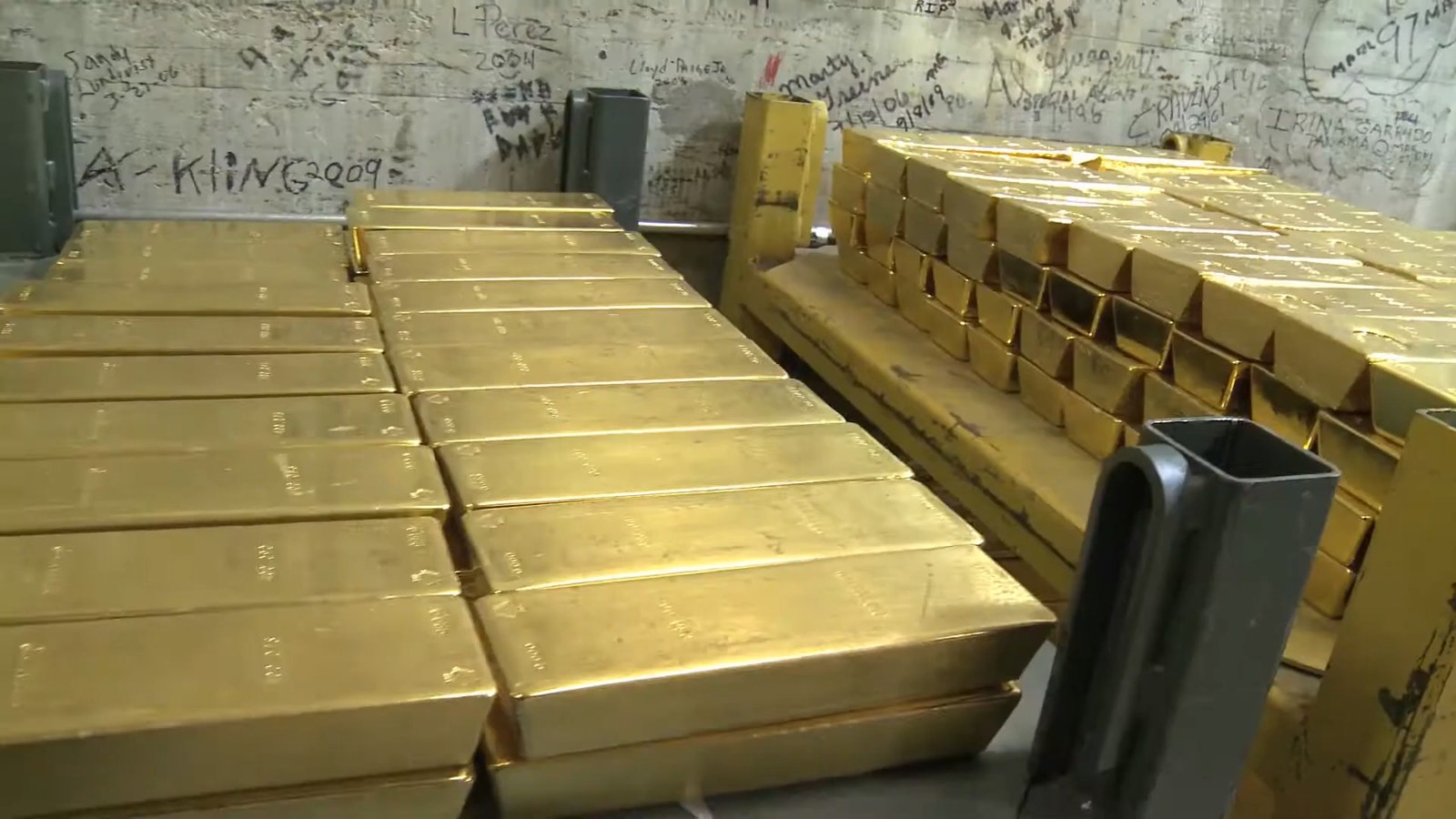

Ethiopia has launched its first gold refinery, a $50 million joint venture intended to process domestic and regional supplies of the metal, Prime Minister Abiy Ahmed announced on October 10. State-owned Ethiopian Investment Holdings holds a majority stake, he said. The National Precious Metals Refinery at Bole Lemi Special Economic Zone brings another stage of production into a country where gold already provides a substantial source of foreign exchange.
The prime minister’s office identified Sam Precious Metals as the international investment partner. It said the plant was designed to assay, refine and cast gold into bullion for export, as well as produce cast and minted gold and silver bars in different purities. At full capacity, the office said, it could process more than 600 tonnes of precious metals annually. The business is aimed at drawing supplies from beyond Ethiopia as well as from its mines.
Abiy said neighbouring countries and regional mining companies would be able to bring gold to Ethiopia for refining, certification and sale. His October 10 announcement was reported by Reuters on October 12. Gold exports earned Ethiopia $5.6 billion last year, according to government data cited by the agency. The new venture seeks a larger domestic role in the work that follows extraction: determining purity, producing saleable bars and providing services to suppliers.
From extraction to a finished product
The announced services cover melting, testing, refining, casting, bar minting and die-making. Together, they connect the material delivered by a supplier to a finished product whose weight and purity a buyer can assess. Assaying measures the metal’s composition; refining raises its purity; casting or minting gives the product its final form. Providing these stages in one facility is central to the government’s ambition to retain more processing activity in Ethiopia.
The industrial choice concerns where that work takes place. A mining economy can earn export revenue from the metal while paying for specialised services elsewhere. A domestic plant gives suppliers another place to obtain those services and gives the host country an opportunity to build technical expertise around them. For the Ethiopian venture, the prime minister’s regional invitation is intended to connect national industrial capacity with customers operating outside the country.
That commercial ambition makes confidence in testing important. Suppliers need to know the value of the material they deliver, while buyers need dependable information about the bars they receive. The prime minister’s office placed quality assurance and confidence in gold valuation among the project’s objectives. The service relationship therefore runs from the supplier’s incoming material through processing to the customer’s acceptance of the finished product.
International bullion markets show how demanding that relationship can be. The London Bullion Market Association’s Good Delivery framework sets requirements for the weight, purity, markings and physical quality of bars accepted for settlement in London. Its listing process includes technical assessment of refining, casting and assaying, alongside financial and production criteria. Such standards give a common basis on which traders and vaults can handle products from different refiners.
LBMA also conducts ongoing tests of listed refiners’ assaying competence. Its programme compares a refiner’s analysis with results from independent referees and reviews competence on a three-year cycle. This provides industry context for the quality-assurance task facing a refining business: testing must remain dependable after a facility opens and begins receiving varied supplies. Consistent measurement gives the commercial parties a basis for valuing the metal through successive transactions.
A regional business built around processing
The partnership joins a state investment holding company with a specialist precious-metals investor. That structure places Ethiopia’s industrial objectives inside a venture that must also attract customers and operate processing services. The government’s proposed regional role will depend on suppliers choosing to send material to Bole Lemi and on buyers accepting the products made there. Transport, testing and commercial terms consequently belong to the same chain as the machinery inside the plant.
The capacity figure gives the venture room to pursue that wider market. Processing precious metals from several sources can require different tests and product specifications, while customers may seek different bar sizes and purities. The announced combination of gold and silver products, casting and minting is intended to serve those varied requirements. The economic benefit would come through the services performed and the activity retained around them as supplies move through the facility.
For the Horn of Africa, the launch adds an industrial development to a regional agenda dominated by conflict and disrupted movement. Ethiopia is seeking to use its position and domestic gold industry to offer processing to neighbouring suppliers. The project’s operating needs remain concrete: material must reach the refinery, staff must measure and refine it, and finished products must reach customers. A regional centre emerges through those repeated transactions.
The October 10 launch establishes the venture and its announced investment, with refining and certification at the centre of its purpose. Its next stage is commercial operation: turning supplies into products that customers will buy and building a dependable service around that process. The government’s ambition to retain more value at home will be tested in that daily work, as Ethiopia seeks a role extending beyond the extraction of its own gold.