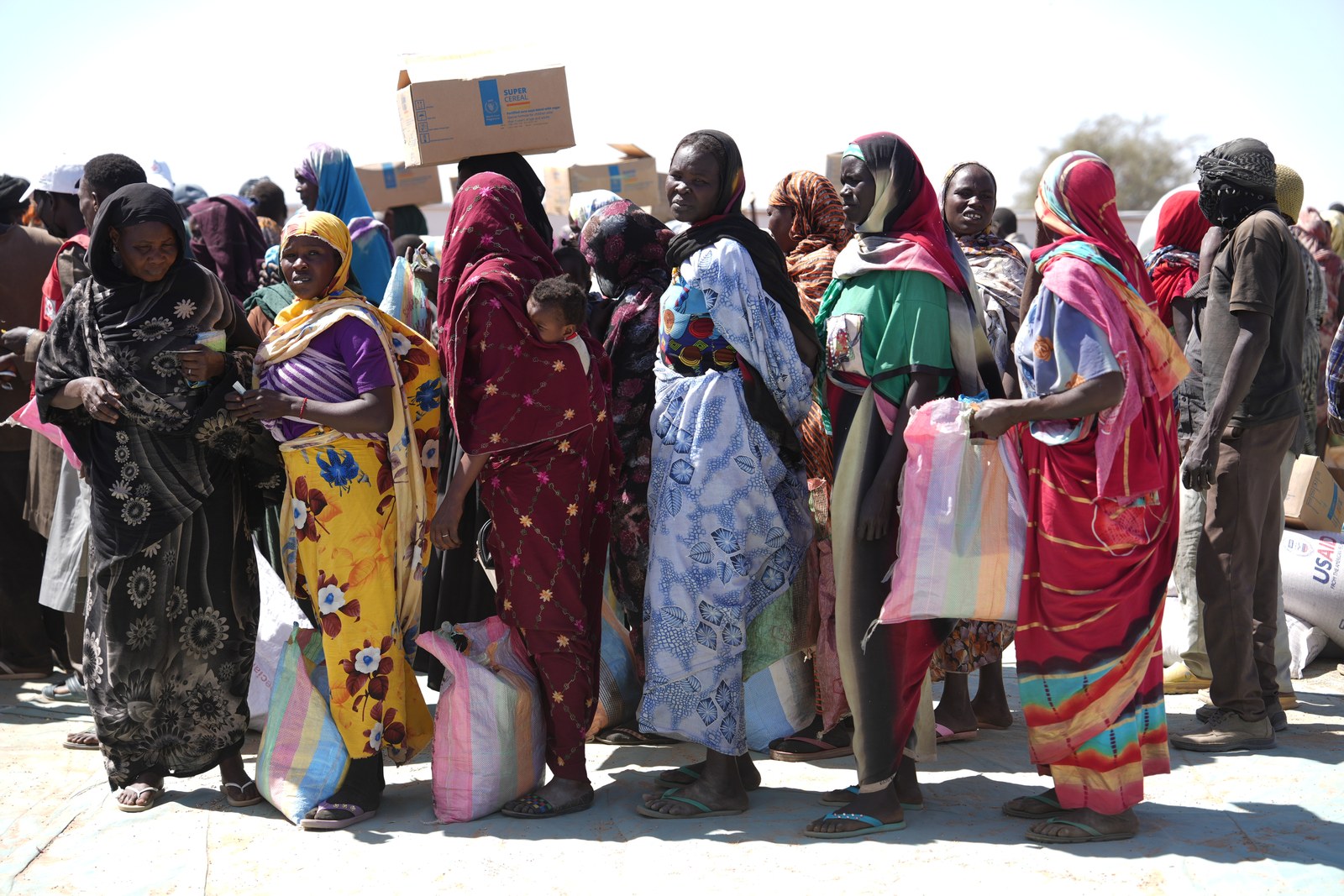
UNHCR published a new profile of forcibly displaced people in Chad on October 2, together with a provincial map of displaced and migrant populations. Both releases report on September 2026. The publications provide a fresh planning reference as reception, registration and assistance continue to face pressure from displacement across the Sudanese border. Source report
The profile and the map serve related purposes. One brings population information into a national overview; the other connects it to provinces and locations. For agencies organising assistance, where people are staying affects transport, registration and the services required. A national total alone cannot show the demands placed on a particular border facility or settlement.
The provincial release lists Chad’s refugee commission and the International Organization for Migration among its partners. That institutional connection matters because registration, population information and field operations have to refer to compatible locations and categories. The October publications give the response an updated reference while the earlier reporting below records the conditions described by agencies during September.
The September pressures behind the new release
More than 400 people a day crossed from Sudan into eastern Chad through the Adré and Tiné border areas during the week preceding its September 25 briefing, the UN refugee agency said. That is around 20 times the daily rate of recent months. The acceleration is bringing the effects of renewed fighting in Darfur, Kordofan and Blue Nile to border facilities already struggling to shelter people displaced by Sudan's long war.
UNHCR says more than 55,000 Sudanese refugees have reached eastern Chad this year. Nearly one million have crossed since fighting between Sudan's army and the Rapid Support Forces began in April 2023. Keeping those measures distinct matters because a sudden daily surge requires immediate reception capacity even when the accumulated population changes more slowly.
The route from Darfur to Adré has carried refugees since the first months of the war. New arrivals are also escaping violence and insecurity in Kordofan and Blue Nile, UNHCR says. The agency reports airstrikes and drone attacks in some affected areas and says drought and water scarcity are adding to the pressure on households.
The first strain appears at the border. UNHCR says Tiné's transit centre already holds more than 4,300 people and needs shelter, water, sanitation and protection services. A border crossing is meant to receive and register people before they move to safer settlements. When arrivals grow faster than that process, families remain close to the frontier and the demands on temporary facilities compound.
That pressure extends far beyond one transit centre. More than 190,000 refugees in Chad remain in difficult conditions near the border while awaiting relocation, according to UNHCR. It says 31,000 families lack adequate shelter and most refugees receive less than half the minimum daily quantity of water. These figures describe a system with little spare capacity before the latest weekly increase. A further rise in arrivals would make relocation and basic services harder to sustain without additional support.
The response is also short of money. UNHCR says the regional refugee plan has received 18% of the $1.6bn it requires this year. Mamadou Dian Balde, its regional coordinator for Sudan, told reporters that the shortfall means less food, shelter and capacity to move people away from the border. The funding figure covers the regional response, not a budget for Chad alone. Its effect in eastern Chad is nevertheless direct because border reception and inland settlement depend on that wider aid effort.
Chad has allowed Sudanese refugees to enter and has taken steps to include some in public systems. UNHCR says more than 400 refugee health workers have had their qualifications recognised and at least 2,900 refugee teachers are working in eastern schools. Those measures make professional skills available to host communities and refugees alike. They cannot by themselves build enough shelters or supply enough water for a rapidly growing caseload.
The wider diplomacy now faces a test in the same sequence of events. The African Union and the United States convened the first joint Sudan Quad-Quintet meeting on September 23, seeking to connect a humanitarian truce, monitoring and a civilian political process. The Chad figures show why access and civilian protection cannot wait for a comprehensive settlement. The diplomatic format has yet to produce a ceasefire between the belligerents, and the border authorities must manage arrivals in the meantime.
Nor is the pressure confined to Chad. UNHCR estimates that some 11.3 million people have been forcibly displaced by the Sudan conflict, including 6.4 million within Sudan, while more than 3.5 million Sudanese refugees and asylum-seekers have crossed into countries across the region. They show the scale of a war that repeatedly transfers immediate costs to neighbouring states.
UNHCR also links inadequate protection and support in countries of first asylum to some later journeys toward Europe. It reported 14,104 Sudanese sea arrivals there in 2025, up from 4,094 in 2024. That observation does not mean that refugees now entering Chad intend to travel onward. It means prolonged insecurity and limited opportunities after escape can influence later decisions, especially when safe residence, services and work remain uncertain.
The immediate task is more local. Chad's border facilities must register and protect those who have arrived, move families to safer settlements when possible and provide water, shelter and food while the conflict continues across the frontier. A daily flow of more than 400 people at Adré and Tiné puts each part of that sequence under strain. Unless the fighting eases or the response gains resources, the latest surge will become another durable burden on communities that have been receiving Sudanese refugees for more than three years.